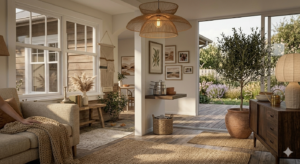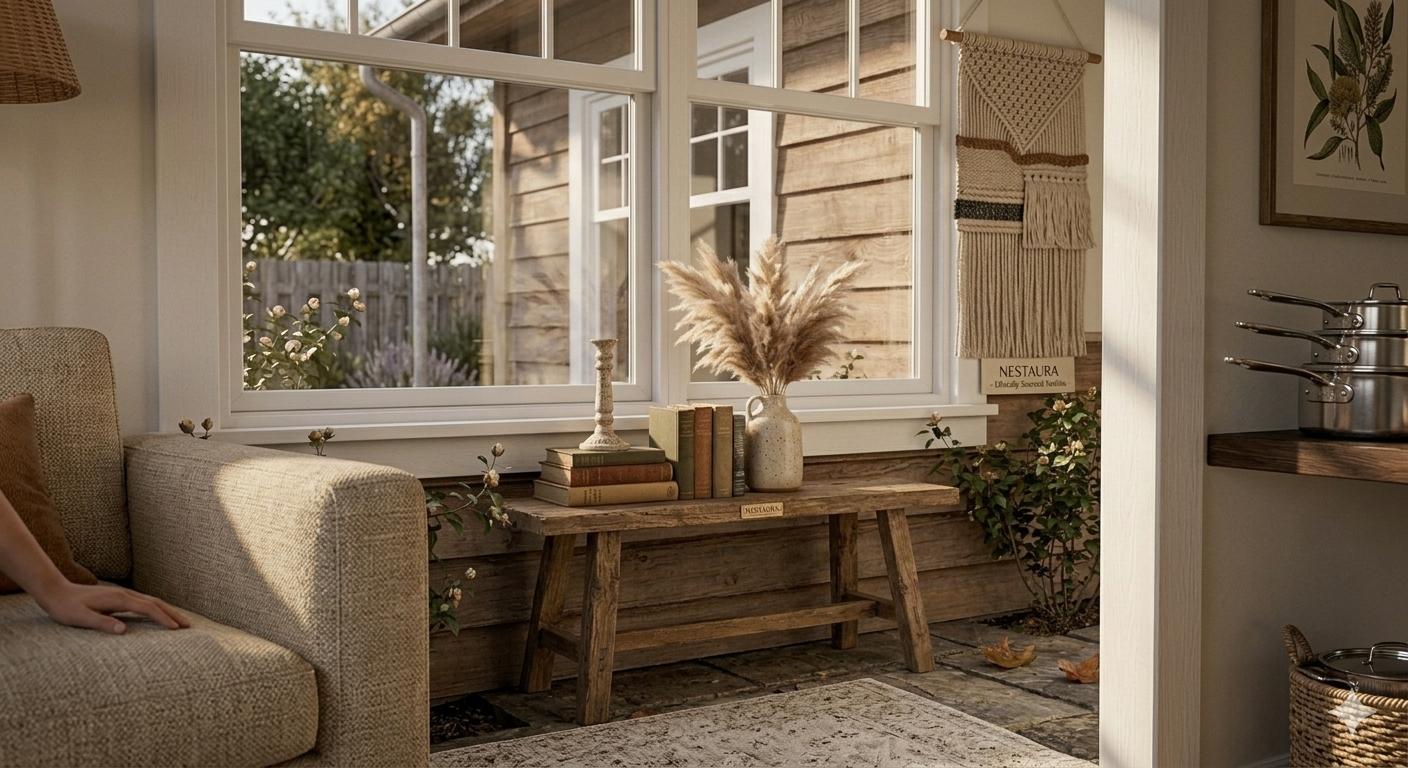
Quality home goods are not always the cheapest, and they are not always the most expensive either. The real goal is to find pieces that are well made, long lasting, and worth the money for Australian households.
How to choose quality home goods for furniture and textiles
The home goods market has never been more crowded — or more confusing. At one end, fast-home retailers sell attractive pieces at low prices that look great in photos but show their limitations within months. At the other end, luxury brands charge prices that are hard to justify for most Australian households. How do you find the sweet spot: genuine quality at a price that makes sense?
Here’s what to actually look for when you’re evaluating home goods — across furniture, textiles, cookware, and accessories.
With Furniture: Look at the Joints and the Materials
The most telling indicator of furniture quality is how it’s constructed, not how it looks. Turn a piece upside down and examine the joinery: quality furniture uses dovetail or mortise-and-tenon joints in solid timber, not just staples, nails, or glue on particleboard. Drawer slides should feel smooth and have soft-close mechanisms. Doors should hang straight and close without gaps.
Materials matter: solid timber ages beautifully and can be repaired or refinished; MDF and particleboard cannot. Upholstery fabric should feel dense and well-woven; rub the back of your hand across it quickly — a low-quality fabric will pill or roughen immediately. Foam density in seat cushions indicates longevity: look for high-resilience (HR) foam at 28–32 kg/m³ or above.
With Textiles: Check the Composition and Weight
For bed linen, towels, and soft furnishings, the fabric composition is everything. Natural fibres — cotton, linen, wool, bamboo — breathe, regulate temperature, and improve with washing. Synthetic blends are easier to care for but less comfortable over time and less durable than quality naturals.
For towels: aim for 100% combed cotton at 500–700 GSM. Under 400 GSM feels thin; over 700 GSM is plush but slow to dry. For bed linen: look for 300–500 thread count in long-staple Egyptian or Pima cotton, or quality linen (which has no thread count and is rated by weight instead, ideally 170–190 GSM).
With Cookware: Heavy Is Usually Better
In cookware, weight is one of the most reliable indicators of quality. Heavy-based pans distribute heat more evenly, hold temperature better, and last longer. Cast iron, carbon steel, stainless steel with an aluminium core, and enamelled cast iron are all excellent. Non-stick coatings are convenient but temporary — even the best PTFE coating degrades within a few years of regular use.
Check handles: welded or riveted handles are far more durable than screwed handles, which loosen over time. Lids should seal well without clattering. Oven-safe cookware (look for temperatures above 200°C) is significantly more useful than stovetop-only pieces.
With Decorative Accessories: Weight, Finish, and Base Material
Quality decorative objects feel substantial. A heavy ceramic vase, a solid brass candle holder, or a thick-walled glass vessel tells you something about the care and material that went into it. Pick objects up and feel them — a hollow, light piece often indicates cheaper construction or lower-quality materials.
Look at the finish quality: are the edges smooth? Is the glaze or paint consistent? Is there any flaking, lifting, or unevenness? These details are harder to fake in quality goods and easier to spot in person than online.
The Real Cost Per Use
The most useful framework for evaluating home goods is cost-per-use, not sticker price. A $300 set of towels that lasts ten years, washes beautifully, and feels luxurious every single day costs far less in the long run than a $50 set replaced annually. The same logic applies to furniture, cookware, and bedding.
Buy less, buy better, and buy for the long term. The homes that look and feel the best are rarely the ones with the most things in them — they’re the ones where every item was chosen thoughtfully.
What to Ask Before Buying Online
- What materials is it made from? (If the listing doesn’t specify, that’s a red flag.)
- Where is it made? (Not a deal-breaker, but it informs expectations.)
- What are the dimensions? (Always cross-check against your space.)
- What does the return policy cover? (Quality retailers stand behind their products.)
- Are reviews from verified purchases, and do they mention longevity?
At NestAura, every product in our home goods collection is selected for quality, durability, and value, with careful attention to materials and construction.