Layer home textures to make a room feel richer, warmer, and more inviting. Even simple spaces can feel more considered when you combine smooth, rough, soft, and reflective surfaces in the right way.
How to layer home textures with rugs and cushions
Walk into a room that feels wonderful and you’ll notice that you can often tell it feels good before you’ve consciously registered why. The colours might be simple — mostly neutral. The furniture might not be particularly unusual. But there’s a richness, a depth to the space that makes you want to sit down and stay. Nine times out of ten, the explanation is texture.
Layering textures — combining materials and surfaces with different tactile and visual qualities — is one of the most effective and least understood tools in interior design. Here’s how to do it intentionally, in any room, on any budget.
What Texture Actually Means in Interior Design
Texture in interior design isn’t just about how things feel to the touch, though that’s part of it. It’s also about visual texture — how a surface looks when light falls on it. A smooth stone surface and a rough concrete wall both have texture. A glossy glass vase and a matte ceramic one create different kinds of visual interest side by side.
The goal of layering textures is to create contrast between surfaces so that no single element looks flat or lonely. A room with all smooth, glossy surfaces feels cold and clinical. A room with all rough, matte surfaces can feel heavy and cave-like. The sweet spot is in the contrast between different material qualities.
Start with a Textural Foundation: The Large Pieces
Begin with the biggest surfaces in the room. Floors, walls, and major upholstered pieces set the base texture. A polished timber floor is smooth and reflective; a raw concrete floor is matte and industrial. Linen-upholstered furniture is soft and casual; leather is smooth and structured; boucle is fluffy and plush.
Choose your base materials for the large pieces first, keeping in mind the general feeling you want: warm and cosy, clean and minimal, rustic and earthy, or modern and sophisticated. Then layer contrasting textures on top.
Layer with Rugs
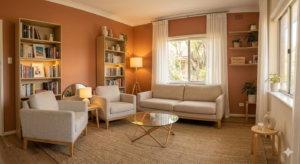
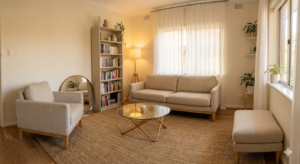
A rug is the quickest way to add texture to a room — and often the most impactful. A jute or sisal rug under a softer fabric sofa creates an appealing contrast between rough and smooth. A plush wool rug on polished timber floors adds warmth underfoot. A flatweave cotton rug in a room with a lot of linen and velvet adds a graphic, structural note.
Don’t be afraid to layer two rugs — a larger neutral rug with a smaller patterned one on top is a technique designers use regularly and it adds tremendous visual depth.
Cushions and Throws
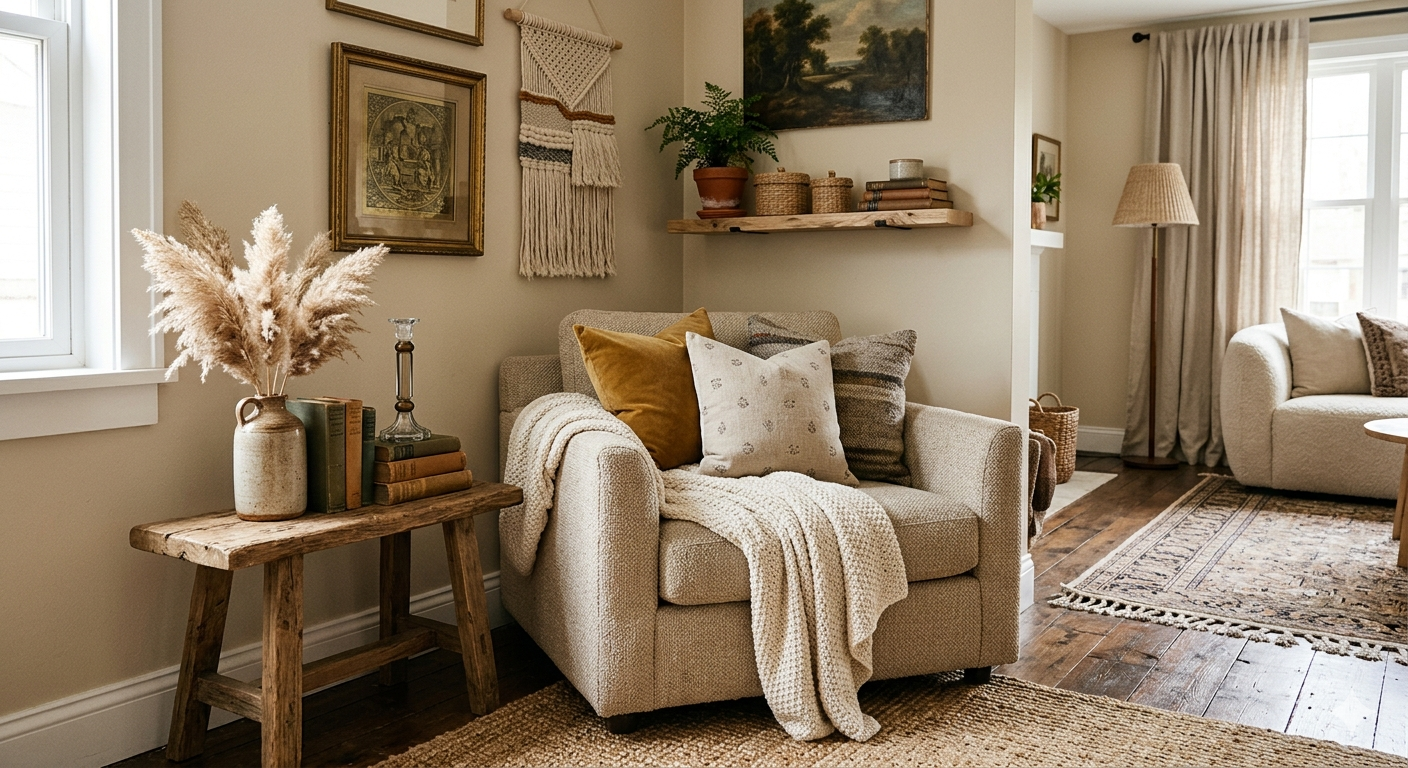
Cushions and throw blankets are the easiest and most affordable way to layer textures because they can be changed seasonally. In summer: linen and cotton cushions with a light cotton throw. In winter: velvet, boucle, and chunky knit cushions with a heavy wool throw.
Mix at least three different fabrics in any cushion grouping — for example, linen, velvet, and a woven cotton. Vary the scale of any patterns. Keep the colour palette cohesive even as the textures diversify.
Natural Materials on Surfaces
Hard surfaces — shelves, coffee tables, sideboards — benefit from a mix of material types. A timber surface looks richer when styled with objects in ceramic, glass, metal, and woven rattan. These different materials catch and reflect light differently, creating visual movement even in an otherwise still room.
Some reliable combinations: rough ceramic with smooth glass; matte terracotta with polished brass; raw timber with white marble; woven rattan with brushed linen.
Walls
Walls don’t have to be smooth and painted to be interesting. Limewash or colour-wash paint techniques add subtle texture. Wallpaper with a grasscloth, linen, or geometric texture adds visual interest without pattern. Even bare brickwork or stone, if present, is an asset — don’t cover it.
Artwork adds texture too: a canvas painting has a different visual weight from a framed print, which has a different quality from a ceramic wall sculpture or a textile wall hanging.
The Layering Checklist for Any Room
- At least one soft textile (cushion, throw, rug)
- At least one natural material (timber, rattan, linen, stone)
- At least one smooth, reflective surface (glass, glazed ceramic, polished metal)
- At least one rough or matte surface (raw ceramic, concrete, stone, jute)
- At least one organic, irregular element (a plant, a woven object, natural stone)
Find beautifully textured cushions, throws, rugs, and home accessories at NestAura’s online store — curated to work together and delivered free across Australia on qualifying orders.